Understanding Community Engagement Through Local Events
In recent years, community engagement has become a focal point for many local organizations, particularly for those catering to individuals aged 40-60. This article explores how local events can facilitate community involvement, enhance social cohesion, and foster relationships among residents.
The Importance of Community Engagement
Community engagement is essential for creating a sense of belonging and enhancing the quality of life within local neighborhoods. According to research conducted by the International Association for Public Participation, individuals who are actively engaged in their communities report higher levels of satisfaction and well-being. This trend is particularly pronounced among older adults, who often seek social interactions and opportunities to form meaningful relationships.
"Engaged communities are healthier, happier, and more resilient, contributing to overall societal well-being."
How Local Events Foster Engagement
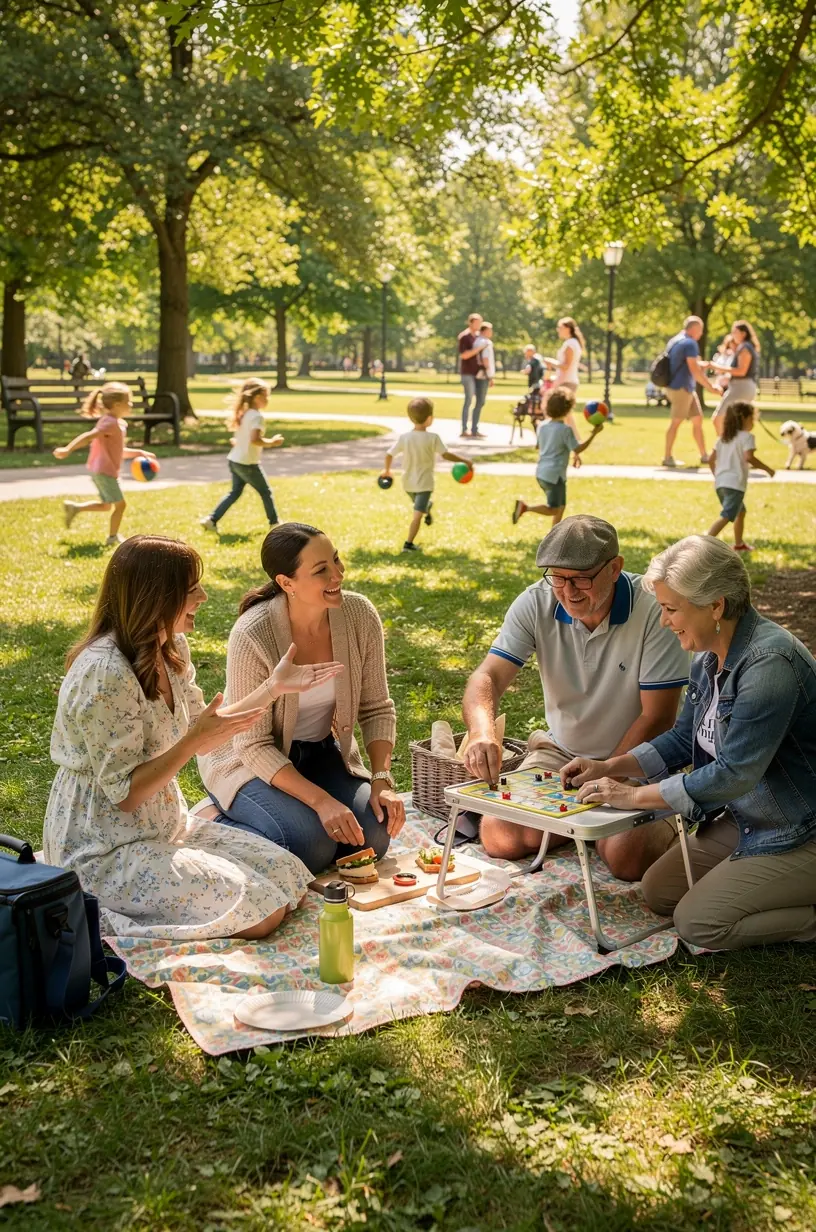
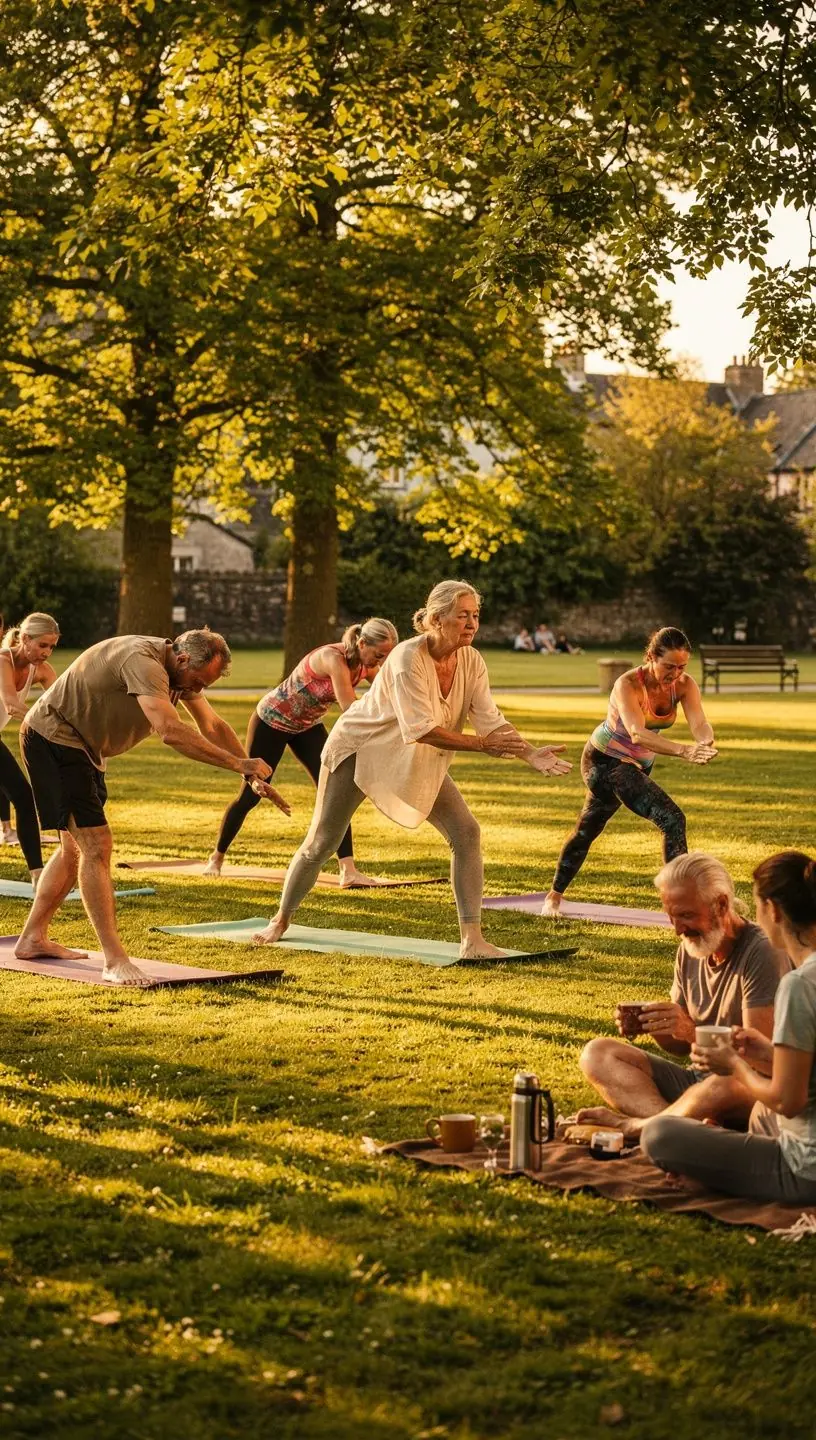
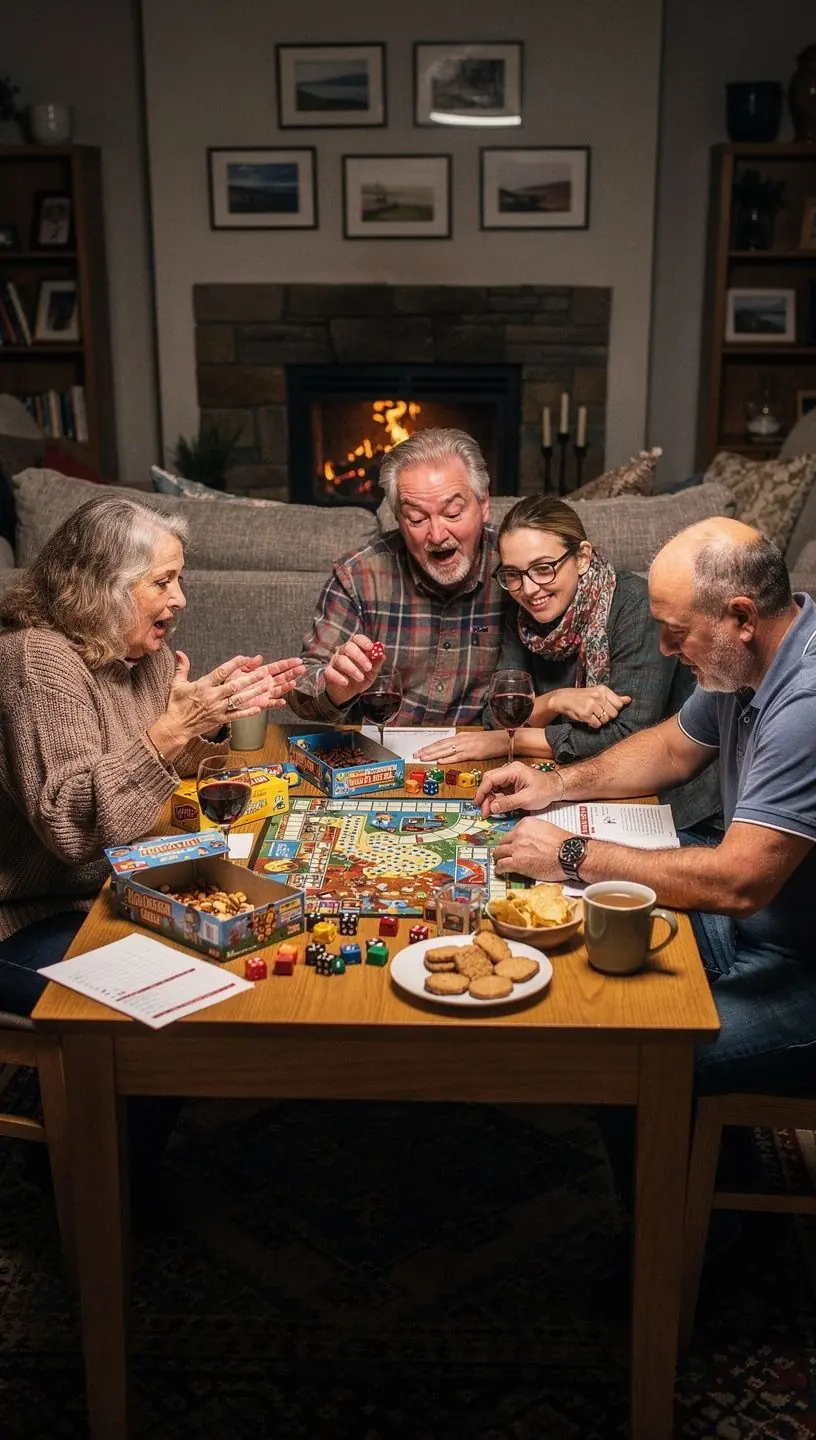
Local events, such as board game nights, live music performances, and themed meetups, serve as excellent platforms for community engagement. These gatherings allow residents to connect, share experiences, and build friendships. Here's why local events are effective:
- Accessibility: Many events are held in familiar venues, making them easily accessible, especially for those who may have mobility challenges.
- Diverse Interests: Events that cater to various interests, such as games, music, and arts, can attract a broad audience, facilitating interactions among diverse groups.
- Low Commitment: Participating in local events typically requires minimal time commitment, allowing individuals to engage without feeling overwhelmed.
The Benefits of Community Engagement
Engaging with one's community through local events can lead to a range of benefits:
- Social Connections: Building relationships with neighbors can reduce feelings of loneliness and isolation, particularly crucial for older adults.
- Shared Experiences: Participating in community events allows for shared experiences that can strengthen bonds and create lasting memories.
- Collective Efficacy: Communities that engage collaboratively are often more successful in addressing local challenges and advocating for necessary changes.
Setting Realistic Expectations
While local events can significantly enhance community engagement, it is important to set realistic expectations. Research indicates that forming deep connections may take time, often requiring consistent participation over weeks or months. Moreover, the level of engagement often varies among individuals. Some may find it easier to participate in social events, while others might need encouragement and time to feel comfortable.
Conclusion
Understanding community engagement through local events can lead to a more vibrant and connected neighborhood. By participating in activities that resonate with their interests, individuals aged 40-60 can forge meaningful connections, thereby enhancing their overall quality of life. Community engagement is a gradual process that flourishes with consistency and openness, ultimately benefiting everyone involved.
Learn More