The Role of Offline Activities in Combating Loneliness
In an increasingly digital world, many individuals, particularly those aged 40 to 60, find themselves grappling with feelings of loneliness. While technology provides a way to connect, offline activities often serve as a more effective antidote to isolation. This article explores how participating in local events and clubs can help mitigate loneliness and enhance quality of life.
Understanding the Impact of Loneliness
Loneliness is a significant public health concern, especially among older adults. Studies show that chronic loneliness can lead to severe health issues, including depression, anxiety, and even a decline in physical health. According to research from the National Institute on Aging, social connectedness is essential for mental and emotional wellbeing. This is where offline activities come into play: they provide opportunities for genuine human interaction and foster a sense of community.

"Social activities not only alleviate feelings of loneliness but also contribute to overall mental health and emotional resilience." - Research from the American Psychological Association
The Benefits of Offline Activities
Engaging in offline activities, such as board games, music nights, and club meetups, can have a multitude of benefits:
- Improves Social Skills: Regular interaction with others can enhance communication skills and build confidence in social settings. Many users report feeling more comfortable and outgoing after attending local events.
- Creates a Support Network: Forming friendships in offline settings can lead to a reliable support system. According to experts, having a few close friends can significantly buffer against feelings of loneliness.
- Encourages Physical Activity: Many offline events, such as dance classes or group sports, encourage movement, contributing to both physical and mental health. Research indicates that regular physical activity can improve mood and reduce anxiety.
Getting Started with Offline Activities
To combat loneliness effectively through offline activities, consider the following approaches:
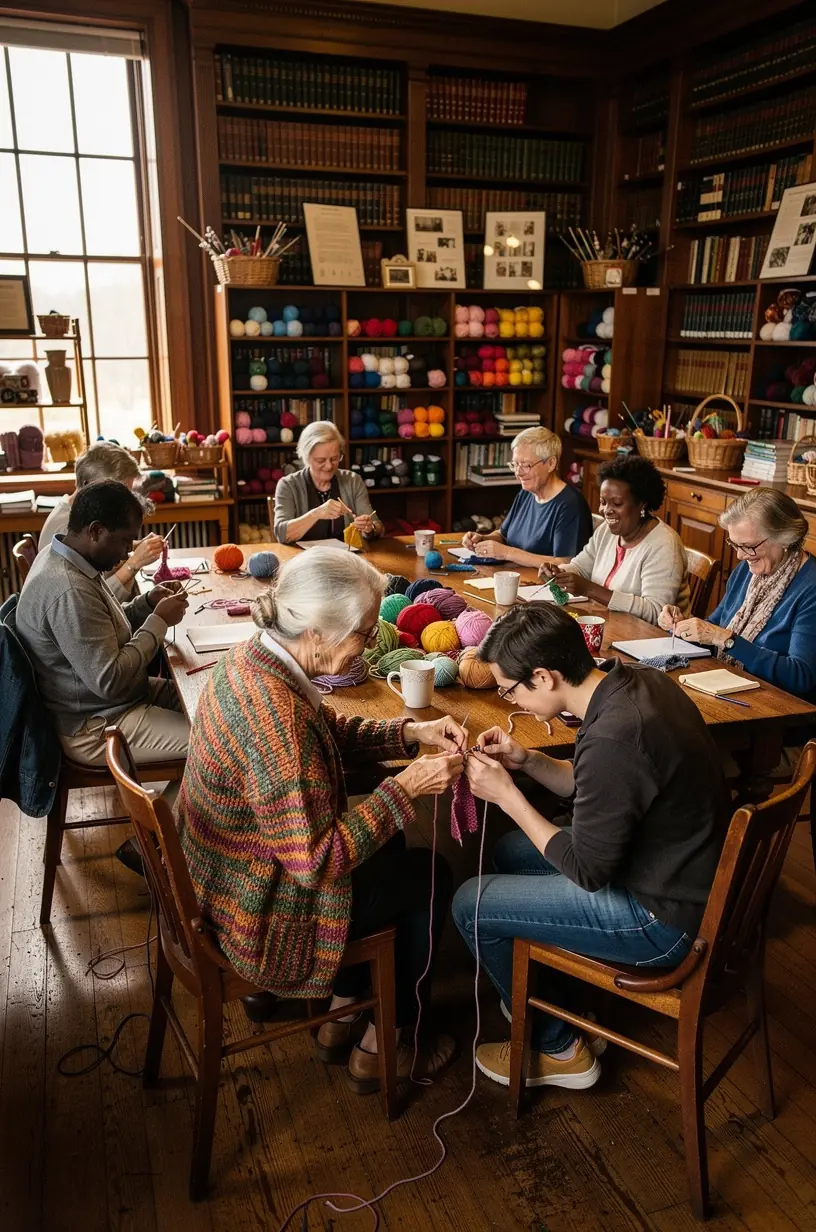
- Identify Your Interests: Reflect on hobbies or activities you enjoy. This could include board games, music, or arts and crafts. Engaging in something you love can make it easier to meet like-minded individuals.
- Explore Local Clubs and Events: Many communities offer clubs focused on various interests. Websites and local bulletin boards can often provide information on upcoming events.
- Commit to Regular Participation: Typically, attending events on a regular basis can yield the best results. Aim to participate in at least one event per week to build connections over time.
Challenges and Considerations
While offline activities can be beneficial, it is essential to acknowledge some challenges. The initial step of joining a new group may feel daunting for many. It often requires stepping outside one's comfort zone, which may not be easy for everyone. Additionally, some may find it challenging to commit time regularly. It’s crucial to approach this journey with an open mind and recognize that building new connections takes time.
Conclusion
In conclusion, offline activities play a vital role in combating loneliness, particularly for individuals aged 40 to 60. By participating in local events and clubs, individuals can foster genuine connections, improve their social skills, and enhance their overall well-being. While it requires effort and commitment, the potential benefits far outweigh the challenges. Remember, taking the first step is often the hardest, but it can lead to fulfilling relationships and a richer, more connected life.
Learn More