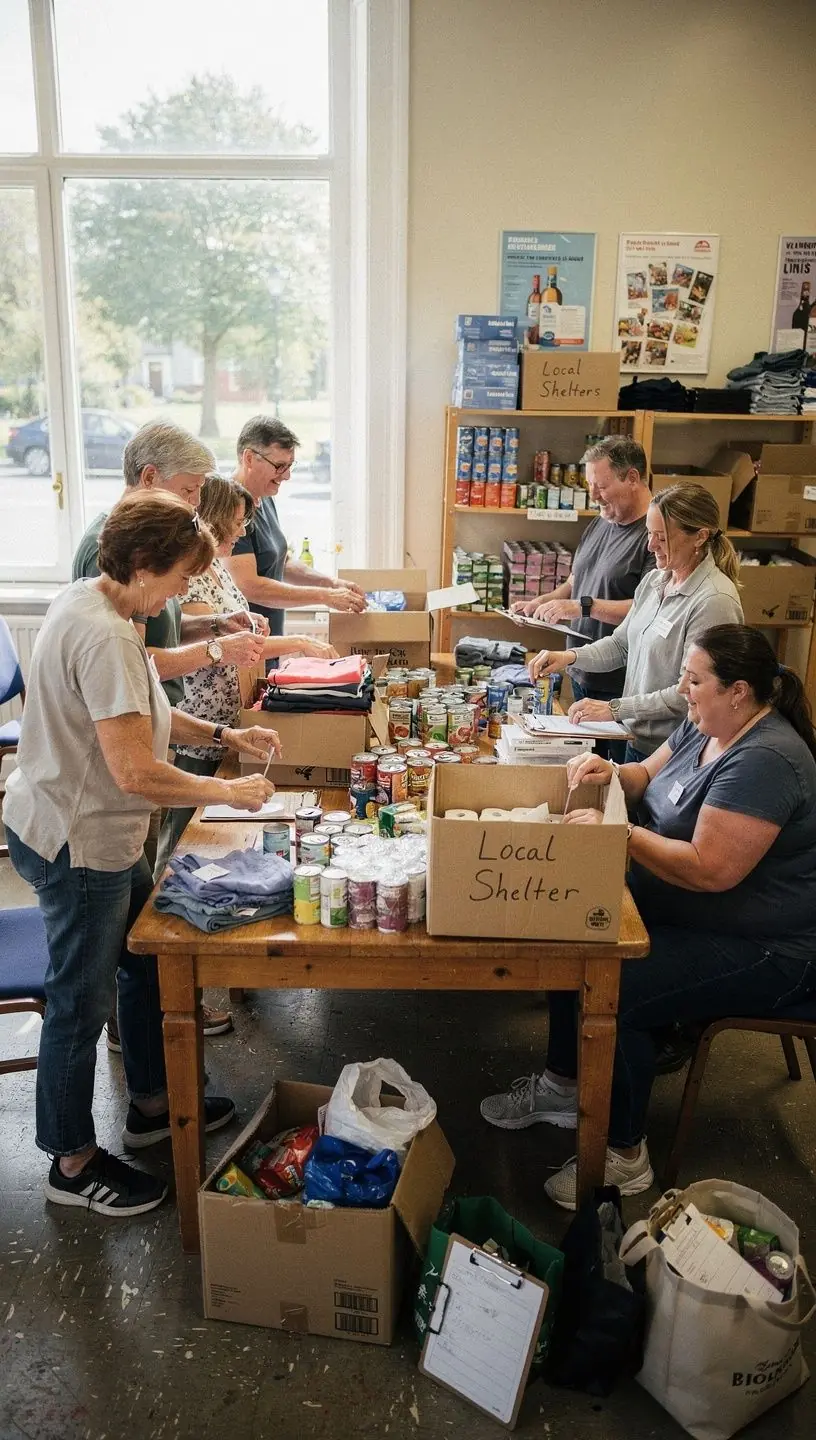
Practical Tips for Creating a Welcoming Event Space
Creating a welcoming event space is essential for fostering connections and ensuring that participants feel comfortable and engaged. This article will provide practical insights into how to achieve that, with evidence-based recommendations and realistic expectations.
Understanding the Basics
Creating a warm and inviting atmosphere begins with understanding the psychological principles behind comfort and engagement. According to environmental psychology, spaces that are well-organized and aesthetically pleasing can significantly enhance participants' experience. Studies show that when individuals feel comfortable in an environment, they are more likely to participate and engage (Kaplan, 2017).
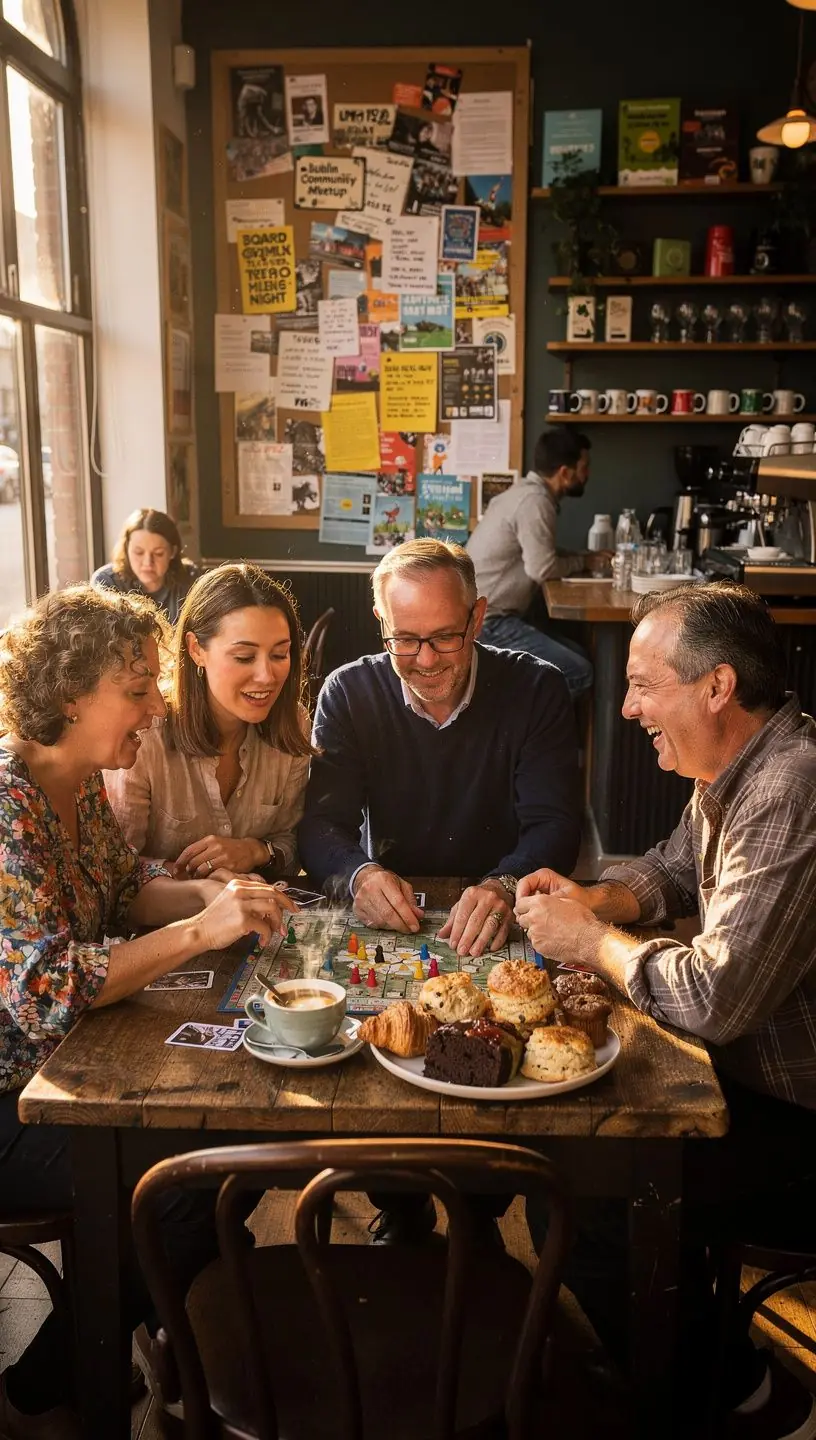
"A well-designed space can increase engagement and interaction among participants, making the event more memorable." - Dr. Mary Jones, Environmental Psychologist
Practical Application
- Choose the Right Venue: Selecting a venue that has a cozy and inviting atmosphere is crucial. Ideally, it should feature comfortable seating, good lighting, and easy accessibility. According to experts, venues that are too formal can inhibit interaction, while more relaxed settings encourage socialization.
- Consider Layout: The arrangement of furniture should facilitate conversation. Circular or semi-circular seating arrangements can often encourage more interaction than traditional rows. This layout can help participants feel more connected and engaged, as it often fosters a more inclusive atmosphere.
- Incorporate Personal Touches: Adding personal elements such as local art or decorations relevant to the event theme can make attendees feel more connected. Research indicates that personalized environments can enhance emotional responses and make individuals feel more at home.
- Provide Refreshments: Offering snacks and drinks can create a more welcoming environment. Many users report that refreshments not only make the space more inviting but also serve as conversation starters.
Accessibility Matters
Accessibility is a critical aspect of creating an inclusive event space. This involves ensuring that all participants can freely navigate and enjoy the event. According to the Equality and Human Rights Commission, making spaces accessible typically requires attention to layout, facilities, and communication methods. Ensuring that venues meet accessibility standards can greatly enhance the experience for all attendees.
Conclusion
In conclusion, creating a welcoming event space is a multifaceted process that involves understanding the psychological principles of comfort, considering the layout, and being mindful of accessibility. By implementing these practical tips, you can enhance the overall experience for participants and foster a sense of community. Remember to prioritize educational value and aim for a space that not only looks good but feels good to everyone involved.